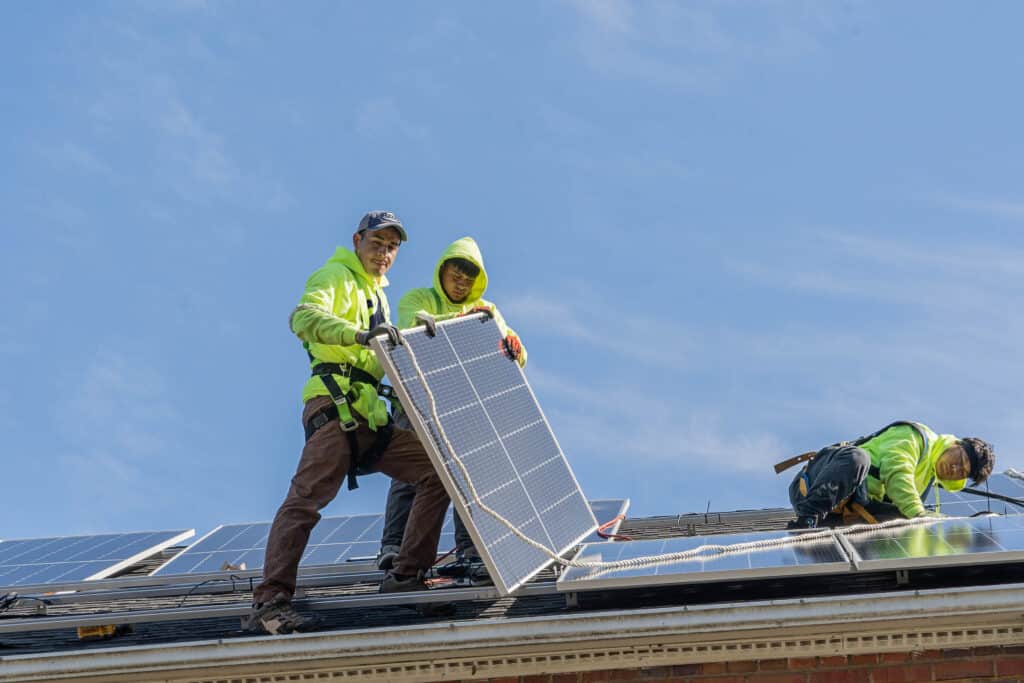
Solar Services Company Montgomery County PA: Leading Suppliers Of Photovoltaic Panel Setups In Montgomery County Pennsylvania Aid Homeowners Change To Renewable Energy
Residential Photovoltaic Panel Setup in Montgomery County Pennsylvania
When you believe of solar panel setup in Montgomery County Pennsylvania, what right away comes to mind? Is it the image of roofs gleaming under the sun or the quiet hum of renewable resource powering a home? The journey to harnessing solar energy typically begins with a simple concern: how do I make my home more energy-efficient while cutting expenses?
Lots of Montgomery County Pennsylvanians discover themselves standing at the crossroads of energy choices, questioning if property solar is really worth the leap. Think of a family in Lancaster County who chose to install panels last summertime. They observed their electric costs diminishing month by month, however beyond cost savings, it was the newfound independence from varying utility rates that genuinely resonated with them.
Secret Considerations for Solar Installation
Roofing viability: Age, angle, and material type play an essential function.
Sunlight direct exposure: Montgomery County Pennsylvania's variable weather condition needs cautious website assessment.
Energy consumption patterns: Tailoring the system to your home requires takes full advantage of effectiveness.
Installer knowledge: Picking business with regional understanding ensures smoother installations.
Why Regional Knowledge Matters
Working with solar installation business in Montgomery County Pennsylvania means navigating an unique environment and landscape. The Keystone State uses a distinct canvas where snow blankets the roofs in winter season, and summertime suns blaze with strength. Regional installers comprehend these rhythms and design systems durable enough to withstand them all. Ever questioned how those panels perform after a heavy snowstorm? Experts here factor that in, guaranteeing your financial investment shines year-round.
Action
Description
Typical Period
Site Assessment
Assessing roof condition and sun direct exposure
1-2 days
System Design
Tailoring panel design and inverter selection
3-5 days
Installation
Mounting panels and electrical wiring
1-3 days
Assessment & & Activation
Final checks and system commissioning
1 day
Why not take that action? The blend of Montgomery County Pennsylvania's natural appeal with the pledge of clean energy services makes domestic solar panel setup more than just a pattern-- it's a way of life choice that echoes through generations. Isn't the future worth investing in?
Business Solar Power Solutions in Montgomery County Pennsylvania
When businesses in Montgomery County Pennsylvania think about commercial solar power, numerous undervalue the intricacy of incorporating planetary systems into existing infrastructure. Picture a vast storage facility rooftop-- sounds perfect for solar panels, right? Yet, the real question is: how do you optimize energy yield without disrupting daily operations?
One regularly overlooked element is the orientation and tilt of panels relative to Montgomery County Pennsylvania's distinct sun path. It's not practically slapping panels on a roofing system; it has to do with the science of sunshine angles throughout the year. A north-facing roof? That's a subtle red flag. Rather, business should concentrate on:
Taking full advantage of southern exposure
Using adjustable racking systems to capture seasonal sun shifts
Considering partial shading impacts from close-by trees or structures
Beyond placement, the electrical integration is a subtle monster. Organizations frequently deal with a maze of energy affiliation policies, which can cause unexpected delays or added expenses. This is where experienced solar installation companies in Montgomery County Pennsylvania shine-- literally and figuratively. They navigate grid compatibility and ensure the system harmonizes with existing electrical loads, preventing expensive downtime.
For example, a manufacturer I just recently sought advice from realized their initial solar strategy neglected their peak afternoon production rise. By tweaking inverter settings and adding energy storage choices, they increased efficiency by over 15%. The takeaway? A one-size-fits-all service seldom operates in industrial solar; personalization is king.
The Solar Panel Company named Lumina Solar PA are experts in Solar Panel Installation in Montgomery County Pennsylvania. They proudly serve the cities of East Greenville, Green Lane, Palm, Pennsburg, Perkiomenville, Red Hill, Sumneytown, Colmar, Earlington, Franconia, Montgomeryville, Salford, Salfordville, Souderton, Woxall, Abington, Ambler, Ardmore, Bala Cynwyd, Huntingdon Valley, Bryn Athyn, Cheltenham, Telford, Tylersport, Dresher, Elkins Park, Glenside, Hatboro, Haverford, Horsham, Jenkintown, Flourtown, Fort Washington, Gladwyne, Merion Station, Narberth, Oreland, Willow Grove, Wyncote, Wynnewood, Norristown, Bridgeport, King Of Prussia, Audubon, Eagleville, Fairview Village, Arcola, Blue Bell, Frederick, Gwynedd, Gwynedd Valley, Harleysville, Hatfield, Kulpsville, Lafayette Hill, Lansdale, Lederach, Mainland, Mont Clare, North Wales, Oaks, Plymouth Meeting, Pottstown, Royersford, Sassamansville, West Point, Worcester, Zieglerville, Cedars, Collegeville, Conshohocken, Creamery, Schwenksville, Skippack, Spring House, Spring Mount, Valley Forge, Gilbertsville and the following zip codes 18041, 18054, 18070, 18073, 18074, 18076, 18084, 18915, 18918, 18924, 18936, 18957, 18958, 18964, 18979, 19001, 19002, 19003, 19004, 19006, 19009, 19012, 18969, 18971, 19025, 19027, 19038, 19040, 19041, 19044, 19046, 19031, 19034, 19035, 19066, 19072, 19075, 19090, 19095, 19096, 19401, 19403, 19404, 19405, 19406, 19407, 19408, 19409, 19415, 19420, 19422, 19435, 19436, 19437, 19438, 19440, 19441, 19443, 19444, 19446, 19450, 19451, 19453, 19454, 19455, 19456, 19462, 19464, 19468, 19472, 19486, 19490, 19492, 19423, 19424, 19426, 19428, 19429, 19430, 19473, 19474, 19477, 19478, 19484, 19485, 19525.
Expert Tips for Optimizing Commercial Solar Installations
Perform detailed site assessments consisting of thermal imaging to find latent heat spots that indicate wiring ineffectiveness.
Include predictive analytics tools to anticipate energy production under differing weather.
Design for scalability-- solar needs develop as services grow.
Consider hybrid systems incorporating solar with other eco-friendly sources for continuous power supply.
Solar Providers Near Me Montgomery County PA
Is your business all set to harness Montgomery County Pennsylvania's solar potential without falling under normal mistakes? The art lies in merging technical precision with strategic foresight.
Planetary System Maintenance and Repair in Montgomery County Pennsylvania
Imagine a crisp Montgomery County Pennsylvania morning, the sun increasing over a field dotted with solar panels. But what takes place when those panels do not hum with the normal energy? Solar system maintenance is not simply a regimen; it's the heartbeat that keeps your financial investment alive. The extreme swings in weather-- from biting winter season chills to abrupt summertime storms-- test the strength of your setup daily. Disregarding subtle signs like flickering inverters or unusual dips in power output can grow out of control into costly repairs.
Typical Indications Your Planetary System Requirements Attention
Sudden drops in electrical energy production without an apparent cause
Physical damage visible on panels or electrical wiring after storms or heavy snow
Warning lights or mistake codes flashing on the inverter display
Uncommon sounds from the inverter or junction boxes
One might ask, how often should a Montgomery County Pennsylvania homeowner check their solar panel system!.?.!? Experts advise a comprehensive inspection a minimum of twice a year, especially after the turbulent winter season. This is when ice accumulation and snow loads can worry installing hardware and connections. Avoiding these examinations can lead to deterioration or loosening of critical bolts, silently draining your system's performance.
Professional Tips for Extending Planetary System Life Expectancy
Regularly keep track of inverter readouts for any inconsistencies in anticipated versus actual output.
Examine electrical wiring and junction boxes for indications of wear or rodent damage-- yes, squirrels love to chew on cable televisions!
Ensure mounting racks are safe and secure; even a little shift can misalign panels, reducing sunlight capture.
Arrange professional diagnostic screening to catch concealed electrical faults before they manifest.
Remember the story of a homeowner in rural Montgomery County Pennsylvania who observed a 15% drop in energy production but brushed it off? Months later, a broken panel glass discovered during a regular check exposed the source-- and the repair expense was triple what a basic early fix would have expense. This shows a key truth: caution is your best defense.
Photovoltaic panel are not set-it-and-forget-it devices. They require a mix of proactive oversight and timely intervention. Are you prepared to keep your solar financial investment shining brightly, no matter the Montgomery County Pennsylvania weather condition?
Custom Solar Design Consultation: Tailoring Energy Solutions in Montgomery County Pennsylvania
Why opt for a one-size-fits-all solar setup when Montgomery County Pennsylvania's varied environment and architecture demand bespoke services? A custom solar style assessment dives deep into your residential or commercial property's special sun patterns, roofing angles, and shading complexities. Imagine an experienced expert tracing sunlight arcs throughout your rooftop, keeping in mind every shadow cast by towering oaks or chimneys-- due to the fact that every watt counts.
Numerous property owners underestimate how critical this preliminary phase is. Without an exact design, systems may underperform or, worse, waste possible energy. Ever seen how a seemingly perfect photovoltaic panel underperforms? Often, it's the quiet perpetrator of inappropriate panel orientation or overlooked blockages. A customized consultation prevents these silent energy burglars from siphoning your savings.
Secret Parts of an Effective Assessment
Solar System Installers Near Me Montgomery County Pennsylvania
Lumina Solar installed our system about 5 months ago. We were very happy with the service and the quality of our system. Jack was very good at answering all of our initial questions and the installation team was very professional. We highly recommend this company for anyone considering going solar!
They did a great a job. Very helpful with with all the applications Provided accurate prediction of solar panels electrical production. I highly recommend them
Lumina Solar is a great choice and amazing company. We had checked out several solar companies over the years but many were fly-by-night, here today, gone tomorrow companies. I read good things about Lumina and called them. My husband was rather skeptical at first but was sick of our now $250--300 electric bills. Our Lumina rep Chris Richardson explained everything in layman's terms with graphs and 3D satellite pix of our property. The financial aspects were all laid out upfront so no surprises. All permits and legwork were done by Lumina. All workers were well groomed, polite and professional. We've had questions from time to time and our rep is always available. We think going with Lumina Solar is one of our best decisions ever!!
Amazing experience from start to finish. Alex gave us the sales pitch; extremely informative, never felt pressured for a sale and worked with us to design a system that met our needs and budget. The engineering team came out and did the roof inspection and took measurements within a week. The install team arrived about a week later and I was impressed by the professional appearance and performance. Once done, they got the inspection scheduled and we were generating power in less than 2 months. Our neighbors used a different company (well known) and had panels on first, but a month longer to get approval, and WOW the difference in confidence we had when Lumina's install team showed up after watching the other guys. The panels are attractive in that they don't stand out. Our house is all electric, and solar covers all our power needs from Apr to Oct. We had a great expatiate with Lumina and they delivered what they promised.
Everything was low pressure and answered all of our questions. I highly recommend Charlie Keyser as he was top notch, present, and always willing to help get all the answers we needed. Installation was quick and efficient. @charlie-keyser
Couldn't have been happier with entire process from start to finish. Pete Hayes walked thru the design, specs and cost and answered all questions without any pressure. Installation crew was fantastic and reviewed everything upon completion. Highly recommend Lumina and Pete.
We are so pleased with Lumina Solar. Peter Hayes was our rep and he was fantastic. He always kept us up to date even if there wasn't any new information. Peter and Lumina were very helpful when a situation arised with the electric company. They came up with a solution and were very clear on our options and helped us make the best choice. I would recommend Peter Hayes and Lumina solar hands down. I give them both a 10 out of 10!
Really great experience beginning to end. Peter Hayes was awesome to work with and I’m very happy with how the system turned out. Been geeking out on the data from the app, which has been a lot of fun. Highly recommended.
From start to finish Lumina has been great, I first met Phillip he walked me through all the steps and answered every question I had no matter when it came up, then came install day, I was a little nervous honestly I just built my house in 2019 but I was greeted by the A team Ben Kimmel was the Manager , Jimmy the Lead Installer, with Haden And Dan, worked together like a well oiled machine, they had every step of the install down to a science, Mike the Lead electrician walked me through how the conduit would be run so it was attractive and didn’t stand out his crew James And Matt did an outstanding job. This crew was simply amazing, the level of care and clean up was exceptional, Late in the day after all the panels were up they went up on the roof for one more look over and cleaned every finger print off they could find, now if they pay attention to that detail I’m cleanup then I know every part of the install was treated with the Same level of care. Look no further for your solar needs!
Keep detailed records of your energy expenses for the past year to highlight peak use durations.
Believe beyond looks-- ask how panel placement impacts long-lasting performance, not simply curb appeal.
Talk about seasonal variations in sunshine; Montgomery County Pennsylvania's winters and summertimes require flexibility.
Ask for a 3D design or shading analysis report to imagine the design's efficiency.
Have you considered how even little roofing imperfections can ripple through your system's output? During assessments, professionals often spot unnoticed dips or slopes that create micro-shadows. Attending to these subtleties can increase performance by as much as 15%. That's not just theory-- it's a real difference in your monthly energy cost savings.
In the end, a custom-made solar style assessment isn't practically picking panels; it has to do with crafting an energy narrative uniquely yours, completely matched for Montgomery County Pennsylvania's dynamic seasons and landscapes.
Leading Solar Power Providers in Montgomery County Pennsylvania
If you're thinking about switching to solar energy in Montgomery County Pennsylvania, it is very important to find reputable and skilled solar setup companies. They can guide you through the process of picking the best system for your home or service, making sure effective energy production and long-term savings. Picking a trusted provider will assist maximize your investment in eco-friendly energy while adding to a greener environment.
Do you perform installations on commercial facilities, and how does the request for quotation estimation break down., e.g. by square footage, or by kilowatt hour capacity, man hours of labor etc. Thank you
Hello! We do offer commercial solar installation. I can connect you with a representative from our commercial department to answer your questions in more detail. Please provide your contact information and the address you are looking to get …
5 months ago
Ask the community
Review summary
5
4
3
2
1
4.9
Reviews aren't verified
"Lumina has been great to work with and offer stellar service and solar products."
"We could not be happier with the equipment and the quality of the installation."
"I feel compelled to give a shout out to my sales rep, Jack Wood."
Reviews
7 months ago
This past spring I started to explore options for solar power. I spent time researching different companies and settled on Lumina Solar PA. I reached out and within a day had a return call and we discussed my solar needs. Jack Wood then …
a month ago
I can’t say enough good things about my experience with Lumina Solar. I was honestly a bit hesitant at first — going solar felt like a big step, and I wasn’t sure what to expect. But those worries quickly disappeared after I started working …
7 months ago
Everyone at Lumina Solar was great to work with. Courtney was exceptional in handling our project from start to finish. The installation team was professional, thorough and detailed. We will reccomend this company to anyone thinking of going solar.
Solar panel: Solar panels are devices that convert sunlight into electricity using photovoltaic cells. They are an eco-friendly and renewable energy source, reducing reliance on fossil fuels.
Solar thermal collector: A solar thermal collector is a device that captures sunlight to generate heat, typically used for water heating or space heating applications. It efficiently converts solar energy into thermal energy, reducing reliance on conventional energy sources.
Solar thermal energy: Solar thermal energy harnesses sunlight to generate heat, which can be used for water heating, space heating, or electricity production. It is a renewable and sustainable technology that reduces reliance on fossil fuels and lowers greenhouse gas emissions.
Worthing: Worthing is a picturesque seaside town in West Sussex, England, known for its historic pier and vibrant promenade. It offers a charming blend of sandy beaches, cultural attractions, and outdoor activities perfect for visitors and residents alike.
England: England is a historic country in the United Kingdom known for its rich cultural heritage, iconic landmarks, and vibrant cities like London. It boasts a diverse landscape of rolling hills, ancient castles, and bustling urban centers that blend tradition with modern innovation.
Sunlight: Sunlight is the natural light emitted by the sun, essential for life on Earth as it provides energy for photosynthesis and influences climate and weather patterns. It also contributes to our well-being by regulating our circadian rhythms and boosting vitamin D production.
Electricity: Electricity is a form of energy resulting from the movement of charged particles, primarily electrons. It powers countless devices and systems, enabling modern life and technological advancements.
Photovoltaic: Photovoltaic technology converts sunlight directly into electricity using solar panels composed of semiconductor materials. It is a renewable energy source that reduces reliance on fossil fuels and helps mitigate environmental impact.
Electrons: Electrons are subatomic particles with a negative electric charge that orbit the nucleus of an atom, playing a key role in chemical reactions and electricity. Their behavior and interactions determine the electrical conductivity and chemical properties of elements.
Direct current: Direct current (DC) is the unidirectional flow of electric charge, typically produced by batteries, power supplies, and solar cells. It provides a constant voltage or current, making it essential for electronic devices and low-voltage applications.
Battery (electricity): A battery is a device that stores chemical energy and converts it into electrical energy to power various electronic devices. It consists of one or more electrochemical cells, each containing positive and negative electrodes separated by an electrolyte.
Photovoltaic system: A photovoltaic system converts sunlight directly into electricity using solar panels composed of semiconductor cells. It is an eco-friendly energy solution that reduces reliance on fossil fuels and supports sustainable power generation.
Solar inverter: A solar inverter is a device that converts direct current (DC) generated by solar panels into alternating current (AC) suitable for household use and grid connection. It plays a crucial role in maximizing energy efficiency and ensuring safe, reliable power output from solar energy systems.
Alternating current: Alternating current (AC) is an electric current that reverses direction periodically, typically used in residential and commercial power supplies. It allows for efficient transmission of electricity over long distances and is characterized by its voltage and current waveforms, usually sinusoidal.
Charge controller: A charge controller is a device that regulates the voltage and current coming from a solar panel to prevent batteries from overcharging and damage. It ensures efficient energy transfer and prolongs the lifespan of the battery bank.
Measuring instrument: A measuring instrument is a device used to determine the size, quantity, or degree of something accurately. It includes tools like rulers, thermometers, and pressure gauges that provide precise readings for various applications.
Solar tracker: A solar tracker is a device that automatically adjusts the orientation of solar panels to follow the sun's movement throughout the day, maximizing energy absorption. This technology enhances the efficiency of solar power systems by maintaining optimal sun exposure.
Solar farms: Solar farms are large-scale installations that harness sunlight to generate electricity using numerous solar panels. They provide a renewable and sustainable energy source, reducing reliance on fossil fuels and decreasing greenhouse gas emissions.
Rooftop solar power: Rooftop solar power involves installing photovoltaic panels on building rooftops to generate electricity from sunlight. This renewable energy source helps reduce reliance on fossil fuels and lowers greenhouse gas emissions.
Grid-connected photovoltaic system: A grid-connected photovoltaic system converts sunlight into electricity and feeds excess power directly into the utility grid, providing a sustainable energy solution. It enhances energy efficiency and reduces reliance on fossil fuels while enabling users to benefit from potential energy credits.
Greenhouse gas emissions: Greenhouse gas emissions refer to the release of gases such as carbon dioxide, methane, and nitrous oxide into the atmosphere, primarily from human activities like burning fossil fuels and deforestation. These gases trap heat in the Earth's atmosphere, contributing to global warming and climate change.
Solar power satellite: A solar power satellite is an orbiting platform equipped with solar panels that collect sunlight and convert it into electricity. This energy is then transmitted wirelessly to Earth for use as a clean, renewable power source.
Home energy storage: Home energy storage systems store excess electricity generated from renewable sources or the grid for later use, enhancing energy independence and efficiency. These systems typically utilize batteries to provide backup power, reduce energy costs, and support grid stability.
Timeline of solar cells: The timeline of solar cells chronicles the development and advancements in photovoltaic technology from the early discovery of the photovoltaic effect to modern high-efficiency solar panels. It highlights key breakthroughs, including the invention of the first silicon solar cell in 1954 and ongoing innovations that have significantly improved energy conversion and cost-effectiveness.
Edmond Becquerel: Edmond Becquerel was a French physicist renowned for his pioneering work in the study of the photovoltaic effect and luminescence. His experiments laid the foundation for understanding how light interacts with certain materials to produce electricity.
Willoughby Smith: Willoughby Smith was a British electrical engineer and scientist known for discovering the photoconductivity of selenium in 1873. His work laid the foundation for the development of the photoconductive cell and advancements in early photographic and electronic technologies.
Selenium: Selenium is an open-source framework used for automating web browsers, enabling testers to simulate user interactions and verify web application functionalities. It supports multiple programming languages and browsers, making it a versatile tool for automated testing.
William Grylls Adams: William Grylls Adams was a British physicist renowned for his pioneering work in the study of light and optics, particularly the discovery of the polarization of light reflected from transparent materials. His research significantly contributed to the understanding of electromagnetic wave behavior and the development of optical science.
Charles Fritts: Charles Fritts was an American inventor who developed the first working selenium solar cell in 1883. His pioneering work laid the foundation for the modern photovoltaic industry.
Coal-fired power plant: A coal-fired power plant generates electricity by burning coal to produce steam that drives turbines connected to generators. This process releases significant amounts of carbon dioxide and other pollutants into the atmosphere.
Russell Ohl: Russell Ohl was an American scientist credited with discovering the solar cell and advancing the understanding of semiconductor materials. His work laid the foundation for modern photovoltaic technology and the development of silicon-based solar panels.
Bell Labs: Bell Labs is a renowned research and development organization historically associated with AT&T, known for pioneering innovations in telecommunications, computing, and materials science. It has been the birthplace of numerous groundbreaking inventions, including the transistor and the laser.
Silicon: Silicon is a chemical element with the symbol Si and atomic number 14, widely known for its essential role in the manufacturing of electronic devices and solar panels. It is a hard, brittle crystalline solid with a blue-grey metallic luster, primarily used as a semiconductor in the tech industry.
Micro-inverter: A micro-inverter is a small, individual device installed on each solar panel to convert direct current (DC) into alternating current (AC) locally. This technology enhances system efficiency, allows for better performance monitoring, and improves energy yield in photovoltaic systems.
Solar cell: A solar cell is a device that converts sunlight directly into electricity through the photovoltaic effect. It is commonly used in solar panels to provide a renewable and sustainable energy source.
PV system: A PV (photovoltaic) system converts sunlight directly into electricity using solar panels composed of semiconductor cells. It is a renewable energy technology that provides sustainable power for residential, commercial, and utility-scale applications.
Photon: A photon is a fundamental particle representing a quantum of light and other electromagnetic radiation, carrying energy and momentum without possessing rest mass. It plays a crucial role in the interactions between matter and electromagnetic fields, enabling phenomena such as reflection, refraction, and quantum communication.
Photovoltaic effect: The photovoltaic effect is the process by which certain materials convert sunlight directly into electricity through the generation of electron-hole pairs. This phenomenon is the fundamental principle behind solar cell technology, enabling the harnessing of solar energy for power generation.
Wafer (electronics): A wafer in electronics is a thin slice of semiconductor material, typically silicon, used as the substrate for fabricating integrated circuits. It serves as the foundational platform where microchips are built through processes like doping, etching, and layering.
Crystalline silicon: Crystalline silicon is a highly pure form of silicon used predominantly in the manufacturing of solar cells and electronic devices due to its excellent semiconductor properties. Its structured, orderly crystal lattice enables efficient electrical conductivity and energy conversion.
Thin film solar cell: Thin film solar cells are a type of photovoltaic technology characterized by their lightweight, flexible design, and ability to be produced on large surfaces at a lower cost. They use layers of semiconductor materials only a few micrometers thick to convert sunlight into electricity efficiently.
Dead and live loads: Dead loads refer to the permanent static forces exerted by the weight of structural elements and fixed equipment, while live loads are temporary or movable forces such as occupants, furniture, and environmental factors. Both are critical considerations in structural design to ensure safety and stability.
Series and parallel circuits: Series circuits connect components end-to-end, so the same current flows through all devices, while parallel circuits connect components across the same voltage source, allowing multiple paths for current. These configurations influence the circuit's overall resistance, current distribution, and voltage drops.
Electric power: Electric power is the rate at which electrical energy is transferred by an electric circuit, primarily used to operate devices and appliances. It is generated through various sources such as fossil fuels, nuclear, and renewable energy, and is essential for modern life.
Watt: A watt is a unit of power measurement in the International System of Units, representing the rate of energy transfer or conversion. It is equivalent to one joule per second.
Voltage: Voltage is the electrical potential difference between two points, which drives the flow of electric current in a circuit. It is measured in volts (V) and represents the energy per unit charge available to move electrons.
Volt: A volt is the derived unit of electric potential, electric potential difference, and electromotive force in the International System of Units. It measures the potential energy per unit charge between two points in an electrical circuit.
Electric current: Electric current is the flow of electric charge through a conductor, typically measured in amperes. It is essential for powering electronic devices and enabling the operation of electrical circuits.
Ampere: Ampere is the unit of electric current in the International System of Units, symbolized as A. It measures the flow of electric charge through a conductor over a period of time.
Electrical load: Electrical load refers to the amount of electrical power or current demanded by devices and appliances in a circuit. It influences the design and capacity of power systems to ensure safe and efficient energy distribution.
Junction box: A junction box is an electrical enclosure used to safely house and protect wire connections, providing a central point for wiring in electrical systems. It ensures organized and secure connections, preventing electrical hazards and facilitating maintenance.
MC4 connector: The MC4 connector is a standardized photovoltaic connector used to connect solar panels in a safe and reliable manner. It features a snap-in design with waterproof sealing, ensuring durability and efficient electrical connection in outdoor solar power systems.
USB power: USB power provides a convenient and standardized method of delivering electrical energy to devices through universal ports. It is commonly used for charging and powering a wide range of electronic gadgets, from smartphones to peripherals.
Power inverter: A power inverter is a device that converts direct current (DC) from sources like batteries or solar panels into alternating current (AC) suitable for household appliances. It enables the use of standard electrical devices in environments where only DC power is available.
Battery pack: A battery pack is a collection of multiple individual batteries assembled to store and supply electrical energy for various devices. It provides portable power solutions for electronics, electric vehicles, and renewable energy systems.
Solar tracking: Solar tracking systems automatically adjust the position of solar panels to follow the sun’s path throughout the day, maximizing energy absorption. This technology increases the efficiency of solar energy collection by maintaining optimal panel orientation.
Maximum power point tracking: Maximum power point tracking (MPPT) is a technique used to optimize the power output of photovoltaic systems by continuously adjusting the operating point to match the maximum power point of the solar panels. This process ensures the most efficient energy extraction, especially under varying environmental conditions.
Power optimizer: A power optimizer is a device used in solar energy systems to maximize energy output by individually optimizing the performance of each solar panel. It improves overall system efficiency by reducing energy loss caused by shading, dirt, or panel mismatch.
Solar performance monitor: A solar performance monitor is a device that tracks and analyzes the efficiency of solar panel systems in real-time, providing valuable data on energy production and system health. It helps optimize solar energy output by detecting issues early and ensuring maximum performance.
Thin-film solar cell: Thin-film solar cells are lightweight, flexible photovoltaic devices made by depositing thin layers of semiconductor materials onto substrates. They offer a cost-effective and versatile alternative to traditional silicon-based solar panels, with applications in various portable and building-integrated energy solutions.
Solar cells: Solar cells convert sunlight directly into electricity through the photovoltaic effect, making them a sustainable energy source. They are commonly used in solar panels to power homes, devices, and entire solar power systems.
Polycrystalline silicon: Polycrystalline silicon, also known as polysilicon, is a material composed of numerous small silicon crystals, commonly used in solar panels and semiconductor manufacturing. Its production involves melting and recrystallizing silicon to form a high-purity, polycrystalline form suitable for electronic devices.
Monocrystalline silicon: Monocrystalline silicon is a high-purity form of silicon with a continuous crystal lattice, making it highly efficient for use in solar panels and electronic devices. Its uniform structure allows for better electron flow, resulting in superior performance compared to other silicon types.
Cadmium telluride photovoltaics: Cadmium telluride (CdTe) photovoltaics are a type of thin-film solar technology that offers a cost-effective and efficient solution for large-scale solar energy production. They are known for their high absorption efficiency and relatively low manufacturing costs compared to traditional silicon-based solar panels.
Copper indium gallium selenide solar cell: Copper indium gallium selenide (CIGS) solar cells are thin-film photovoltaic devices that utilize a layered compound of copper, indium, gallium, and selenium to convert sunlight into electricity efficiently. They are known for their high absorption efficiency, flexibility, and potential for lightweight, cost-effective solar energy solutions.
Amorphous silicon: Amorphous silicon is a non-crystalline form of silicon characterized by a disordered atomic structure, making it more flexible and easier to deposit than crystalline silicon. It is commonly used in thin-film solar cells and electronic devices due to its cost-effectiveness and adaptable properties.
Third-generation photovoltaic cell: Third-generation photovoltaic cells aim to surpass traditional solar cell efficiencies by utilizing advanced materials and innovative techniques such as multi-junction stacks, quantum dots, and organic-inorganic hybrids. These technologies focus on maximizing energy conversion, reducing costs, and expanding applicability to various environments.
Multi-junction solar cell: Multi-junction solar cells are advanced photovoltaic devices that use multiple p-n junctions stacked together to capture a broader range of the solar spectrum, significantly increasing their efficiency. They are primarily used in space applications and high-performance solar power systems due to their superior energy conversion capabilities.
Solar panels on spacecraft: Solar panels on spacecraft are essential devices that convert sunlight into electrical energy to power onboard systems. They are typically lightweight, durable, and designed to operate efficiently in the harsh environment of space.
Compound semiconductor: Compound semiconductors are materials composed of two or more elements, typically involving a metal and a non-metal, used in high-speed electronic and optoelectronic devices. They offer superior performance in applications such as lasers, LEDs, and high-frequency transistors compared to traditional silicon-based semiconductors.
Gallium arsenide: Gallium arsenide is a compound semiconductor known for its high electron mobility and efficiency in high-frequency and optoelectronic applications. It is commonly used in devices such as microwave circuits, infrared LEDs, and solar cells.
Concentrator photovoltaics: Concentrator photovoltaics (CPV) use lenses or mirrors to focus sunlight onto highly efficient multi-junction solar cells, significantly increasing energy conversion efficiency. This technology is ideal for large-scale solar power plants in regions with direct sunlight, offering a cost-effective solution for high-demand energy needs.
Thin-film silicon: Thin-film silicon is a type of photovoltaic material used in solar cells, characterized by its lightweight and flexible form factor. It offers a cost-effective alternative to traditional silicon wafers, with applications in building-integrated photovoltaics and portable power sources.
CIGS solar cell: CIGS solar cells utilize a thin film of copper indium gallium selenide as the photovoltaic material, known for high efficiency and flexibility. They offer a lightweight, cost-effective alternative to traditional silicon-based solar panels with excellent performance in various environmental conditions.
Thin-film: Thin-film refers to a very thin layer of material, often measured in nanometers or micrometers, used in various technological applications. These films are essential in electronics, optics, and coatings for their unique physical and chemical properties.
Rooftop solar PV: Rooftop solar PV systems harness sunlight to generate electricity directly on building rooftops, providing a sustainable and cost-effective energy solution. They help reduce reliance on fossil fuels, lower electricity bills, and contribute to environmental conservation.
Thin film: A thin film is a layer of material ranging from fractions of a nanometer to several micrometers in thickness, often applied to surfaces for functional purposes. These films are used in various industries, including electronics, optics, and medicine, to alter surface properties or create specific device functionalities.
Nanometers: Nanometers are units of measurement equal to one-billionth of a meter, commonly used to describe extremely small distances at the atomic and molecular scale. They are essential in fields like nanotechnology, physics, and chemistry for measuring structures and particles at the nanoscale.
Micrometers: Micrometers are precision measuring instruments used to accurately measure small distances or thicknesses, typically in mechanical engineering and manufacturing. They feature a calibrated screw mechanism that allows for precise readings, often down to thousandths of an inch or hundredths of a millimeter.
Silicon wafer: A silicon wafer is a thin, circular slice of silicon crystal used as the substrate for fabricating semiconductor devices. It serves as the foundational material in the production of integrated circuits and electronic components.
Copper indium gallium selenide solar cells: Copper indium gallium selenide (CIGS) solar cells are thin-film photovoltaic devices known for their high efficiency and flexibility, making them suitable for diverse applications. They utilize a layered semiconductor structure that converts sunlight directly into electricity with excellent performance in low-light conditions.
Multi-crystalline silicon: Multi-crystalline silicon is a type of silicon used in solar panels, characterized by its multiple crystal grains that give it a speckled appearance. It is known for being cost-effective and having a relatively high efficiency in converting sunlight into electricity.
Solar PV systems: Solar PV systems convert sunlight directly into electricity using photovoltaic cells, providing a renewable energy source for residential, commercial, and utility-scale applications. They offer a clean, sustainable, and cost-effective way to reduce reliance on fossil fuels and lower greenhouse gas emissions.
Perovskite solar cell: Perovskite solar cells are a type of photovoltaic technology that uses perovskite-structured compounds as the light-harvesting layer, known for their high efficiency and low-cost manufacturing. These cells have rapidly advanced in performance, making them a promising alternative to traditional silicon-based solar panels.
Dye-sensitized solar cell: A dye-sensitized solar cell (DSSC) is a photovoltaic device that converts sunlight into electricity using a photosensitive dye to absorb light and generate electron flow. It offers a cost-effective and flexible alternative to traditional silicon-based solar cells, with potential for transparent and lightweight applications.
Quantum dot solar cell: Quantum dot solar cells utilize nanoscale semiconductor particles to enhance light absorption and conversion efficiency through quantum confinement effects. This technology offers the potential for lower-cost, flexible, and highly efficient solar energy harvesting solutions.
Organic solar cell: Organic solar cells are photovoltaic devices that utilize organic materials, such as carbon-based molecules, to convert sunlight into electricity. They are lightweight, flexible, and offer the potential for lower-cost, large-area solar energy applications.
CZTS: CZTS (Copper Zinc Tin Sulfide) is a promising semiconductor material used in thin-film solar cells due to its earth-abundant and non-toxic elements. Its favorable optoelectronic properties make it an attractive alternative for sustainable photovoltaic applications.
Building integrated photovoltaics: Building integrated photovoltaics (BIPV) seamlessly incorporate solar energy technology into the design of building materials, such as rooftops, facades, and windows. This innovative approach enhances energy efficiency while maintaining aesthetic appeal and structural functionality.
Transparency and translucency: Transparency allows light to pass through a material with minimal distortion, making objects behind clearly visible. Translucency permits light to diffuse through, obscuring detailed visibility but still allowing shapes and light to pass through.
Window tinting: Window tinting involves applying a thin film to the interior or exterior of vehicle or building windows to reduce glare, heat, and UV radiation. It enhances privacy, improves energy efficiency, and adds a sleek aesthetic to any window.
List of photovoltaic power stations: A list of photovoltaic power stations details various large-scale solar energy facilities around the world, showcasing their capacities and locations. These stations play a crucial role in renewable energy production and global efforts to reduce carbon emissions.
Photovoltaic power stations: Photovoltaic power stations are large-scale installations that convert sunlight directly into electricity using solar panels. They play a vital role in renewable energy generation, reducing reliance on fossil fuels and lowering greenhouse gas emissions.
Environmental issues: Environmental issues encompass a wide range of challenges such as pollution, climate change, and deforestation that threaten the health of our planet. Addressing these problems requires collective efforts to promote sustainable practices and protect natural ecosystems.
Renewable energy: Renewable energy comes from natural sources that are constantly replenished, such as sunlight, wind, and water. It offers a sustainable alternative to fossil fuels, reducing environmental impact and supporting long-term energy security.
Non-renewable energy: Non-renewable energy sources, such as coal, oil, and natural gas, are finite resources formed over millions of years and are depleted when used. They are the primary fuels for electricity generation and transportation but pose environmental and sustainability challenges.
Electricity generation: Electricity generation involves converting various energy sources such as fossil fuels, nuclear power, and renewable resources into electrical power. This process typically occurs in power plants where turbines and generators work together to produce electricity for distribution.
Heavy metals: Heavy metals are dense, toxic elements such as lead, mercury, cadmium, and arsenic that pose significant health and environmental risks due to their persistence and bioaccumulation. They are commonly found in industrial emissions, contaminated water, and certain consumer products, requiring careful management to prevent adverse effects.
Solar-cell efficiency: Solar-cell efficiency measures how effectively a photovoltaic device converts sunlight into usable electrical energy. Improving this efficiency is crucial for maximizing renewable energy output and reducing reliance on fossil fuels.
Photoelectric effect: The photoelectric effect occurs when light shining on a metal surface ejects electrons from that surface, demonstrating the particle nature of light. This phenomenon provided key evidence for the development of quantum theory by showing that light energy is quantized.
Accelerated life testing: Accelerated life testing involves subjecting products to higher-than-normal stresses to quickly evaluate their durability and predict their lifespan under normal conditions. This method helps identify potential failures and improve product reliability efficiently.
Growth of photovoltaics: The growth of photovoltaics has accelerated rapidly over the past decade, driven by technological advancements and decreasing costs. This expansion is transforming the global energy landscape by increasing the share of clean, renewable solar power in electricity generation.
Utility-scale solar: Utility-scale solar refers to large solar power plants designed to generate electricity on a commercial scale, supplying power directly to the grid. These installations typically cover extensive areas and utilize photovoltaic panels or solar thermal systems to produce renewable energy efficiently.
Lens (optics): A lens is a transparent optical device that refracts light to converge or diverge rays, forming images. It is commonly used in devices like cameras, glasses, and microscopes to manipulate light for improved vision and imaging.
Angle of incidence (optics): The angle of incidence is the angle between an incoming light ray and the normal line perpendicular to the surface at the point of contact. It determines how light interacts with the surface, affecting reflection and refraction behaviors.
Anti-reflective coating: Anti-reflective coating is a thin layer applied to optical surfaces to reduce glare and improve light transmission. It enhances the clarity and brightness of lenses, screens, and other optical devices by minimizing unwanted reflections.
Destructive interference: Destructive interference occurs when two waves meet in such a way that their amplitudes cancel each other out, resulting in a reduction or complete elimination of the resultant wave. This phenomenon typically happens when the waves are out of phase by 180 degrees.
Alternating Current: Alternating current (AC) is an electric current that periodically reverses direction, typically used in power supply systems. Its voltage varies sinusoidally over time, enabling efficient transmission over long distances.
Microinverter: A microinverter is a small, individual inverter used to convert direct current (DC) from a single solar panel into alternating current (AC) suitable for household use. It enhances system efficiency by optimizing power output at the panel level and simplifies installation and maintenance.
AC power: AC power, or alternating current power, is electrical energy delivered through a system where the voltage and current periodically reverse direction, enabling efficient transmission over long distances. It is commonly used in households and industries to operate various appliances and machinery.
DC connector: A DC connector is a type of electrical connector used to supply direct current (DC) power from a power source to an electronic device. It typically consists of a cylindrical plug and socket that ensure a secure and reliable connection for various electronic applications.
Underwriters Laboratories: Underwriters Laboratories is a global safety certification organization that tests and certifies products to ensure they meet specific safety standards. It helps consumers and businesses identify reliable and safe products through rigorous evaluation and testing processes.
Series circuits: Series circuits are electrical circuits in which components are connected end-to-end, forming a single path for current flow. In this configuration, the same current passes through all components, and the total voltage is divided among them.
Parallel circuits: Parallel circuits are electrical circuits where components are connected across the same voltage source, providing multiple paths for current flow. This arrangement allows devices to operate independently, with the total current split among the branches.
Diode: A diode is a semiconductor device that allows current to flow in one direction only, acting as a one-way valve for electrical current. It is commonly used for rectification, signal demodulation, and voltage regulation in electronic circuits.
Automobile auxiliary power outlet: An automobile auxiliary power outlet is a socket, typically 12V, designed to provide electrical power for various devices and accessories inside a vehicle. It allows users to charge electronic gadgets or operate small appliances while on the move.
USB: USB (Universal Serial Bus) is a standard technology for connecting peripheral devices to computers, enabling data transfer and power supply. It supports a wide range of devices such as keyboards, mice, external drives, and smartphones, with various versions offering faster speeds and improved functionality.
Solar cell efficiency: Solar cell efficiency refers to the percentage of sunlight energy that a photovoltaic cell converts into usable electrical energy. Improving this efficiency is crucial for maximizing energy output and making solar power more cost-effective and sustainable.
National Renewable Energy Laboratory: The National Renewable Energy Laboratory (NREL) is a U.S. Department of Energy national laboratory dedicated to research and development in renewable energy and energy efficiency technologies. It focuses on advancing innovations in solar, wind, bioenergy, and other sustainable energy sources to support a clean energy future.
Electromagnetic spectrum: The electromagnetic spectrum encompasses all types of electromagnetic radiation, ranging from radio waves to gamma rays, each with different wavelengths and energies. This spectrum is fundamental to many technologies and natural phenomena, enabling communication, medical imaging, and understanding of the universe.
Ultraviolet: Ultraviolet light is a form of electromagnetic radiation with a wavelength shorter than visible light but longer than X-rays, primarily emitted by the sun. It plays a crucial role in processes like vitamin D synthesis but can also cause skin damage and photoaging.
Infrared: Infrared radiation is a type of electromagnetic wave with longer wavelengths than visible light, primarily emitted as heat by objects. It is widely used in remote controls, thermal imaging, and various sensing technologies.
Monochromatic: Monochromatic refers to a color scheme based on variations of a single hue, using different shades, tints, and tones to create harmony and unity. This design approach emphasizes simplicity and elegance by maintaining consistent color elements throughout a composition.
Irradiance: Irradiance refers to the power of electromagnetic radiation per unit area incident on a surface, typically measured in watts per square meter. It is a key parameter in fields such as solar energy, climate science, and photobiology, indicating the intensity of sunlight reaching a given area.
W/m2: W/m2 (watts per square meter) is a unit of measurement used to quantify the intensity of energy or power received or emitted over a specific area, commonly in fields like meteorology, astronomy, and engineering. It helps in understanding the distribution and transfer of energy across surfaces, such as solar radiation reaching the Earth's surface.
Spectrum: Spectrum refers to the range of different colors or wavelengths of electromagnetic radiation, visible or otherwise. It is often used to describe the distribution of light or signal frequencies in various scientific and technological contexts.
Airmass: An airmass is a large volume of air with relatively uniform temperature and humidity properties, originating from specific source regions. These air masses influence weather patterns and atmospheric conditions as they move across different areas.
Solar irradiance: Solar irradiance is the measure of the power per unit area received from the Sun in the form of electromagnetic radiation. It varies with solar activity and Earth's atmospheric conditions, influencing climate and weather patterns.
Soiling (solar energy): Soiling in solar energy refers to the accumulation of dirt, dust, and other particles on the surface of solar panels, which reduces their efficiency. Regular cleaning and maintenance are essential to minimize energy loss and ensure optimal performance.
Open-circuit voltage: Open-circuit voltage is the maximum voltage available from a power source when no current is flowing, measured across its terminals. It represents the potential difference of a device when it is disconnected from any load.
Short-circuit current: Short-circuit current is the maximum electrical current that flows through a circuit when a low-resistance connection, or short circuit, occurs, bypassing the normal load. It poses a significant safety hazard and can cause damage to electrical components if not properly controlled.
Watt-peak: Watt-peak (Wp) is a measure of the maximum power output of a solar panel under ideal sunlight conditions. It indicates the panel's peak capacity to generate electricity in standard testing environments.
Voltmeter: A voltmeter is an electrical instrument used to measure the potential difference between two points in a circuit. It is commonly used in various electrical and electronic applications to ensure proper voltage levels.
Potential-induced degradation: Potential-induced degradation (PID) is a phenomenon in photovoltaic modules where high voltage stress causes a significant reduction in power output and efficiency. It occurs due to leakage currents and ion migration within the solar cell materials, leading to performance deterioration over time.
Boron: Boron is a metalloid element essential for plant growth and used in various industrial applications, including glassmaking and semiconductor manufacturing. It has unique chemical properties that make it valuable in creating durable, heat-resistant materials.
Photovoltaic mounting system: A photovoltaic mounting system securely supports solar panels, ensuring optimal tilt and orientation for maximum sunlight exposure. It is designed to withstand environmental conditions while providing a stable and durable foundation for solar energy installations.
Solar power plant: A solar power plant harnesses sunlight using vast arrays of photovoltaic panels to generate renewable electricity. It provides an eco-friendly energy source, reducing reliance on fossil fuels and decreasing greenhouse gas emissions.
Agrivoltaics: Agrivoltaics is the integrated practice of using land for both solar energy generation and agriculture, optimizing space and resources. This approach enhances crop production while simultaneously producing renewable energy, promoting sustainable land use.
Bifacial solar cells: Bifacial solar cells are photovoltaic devices capable of capturing sunlight from both their front and rear surfaces, enhancing overall energy generation. They are typically mounted in a way that allows for increased efficiency by utilizing albedo effect and reflected sunlight from the environment.
Solar canopy: A solar canopy is a structure that provides shade while generating electricity through integrated solar panels. It is commonly installed in parking lots, walkways, or open spaces to combine environmental benefits with functional design.
Solar array: A solar array is a collection of multiple solar panels configured to generate electricity from sunlight. It is commonly used in renewable energy systems to produce clean, sustainable power for various applications.
Patio cover: A patio cover is a structure that provides shade and protection from the elements for outdoor living spaces. It enhances the usability and aesthetic appeal of a patio, making it a comfortable area for relaxation and entertainment.
Zenith angle: The zenith angle is the angle between the vertical direction directly overhead and the line of sight to a celestial object. It is used in astronomy and meteorology to describe the position of objects in the sky relative to an observer.
Azimuth angle: The azimuth angle is a horizontal angle measured clockwise from a reference direction, typically true north, to the line connecting an observer to a target object. It is commonly used in navigation, surveying, and astronomy to specify the direction of an object relative to the observer.
Occupational hazards of solar panel installation: Installing solar panels exposes workers to risks such as falls from heights and electrical shocks, requiring proper safety measures. Additionally, exposure to harsh weather conditions and potential musculoskeletal injuries pose significant occupational hazards.
Cadmium telluride: Cadmium telluride is a semiconductor material widely used in thin-film solar cells due to its high efficiency and cost-effectiveness. It exhibits excellent optical properties, making it a popular choice for photovoltaic applications.
List of photovoltaics companies: A list of photovoltaics companies highlights the leading manufacturers and suppliers specializing in solar panel technology and renewable energy solutions worldwide. These companies play a crucial role in advancing solar energy adoption and innovation across various markets.
Gigawatt: A gigawatt is a unit of power equal to one billion watts, used to measure large-scale energy production and consumption. It is commonly associated with power plants, national grids, and significant energy projects worldwide.
First Solar: First Solar is a global leader in photovoltaic (PV) solar energy solutions, specializing in manufacturing thin-film solar panels that offer high efficiency and low-cost power generation. The company is committed to sustainable energy development and reducing the world's reliance on fossil fuels through innovative solar technology.
GCL System Integration Technology: GCL System Integration Technology specializes in seamlessly connecting various components of industrial and automation systems to enhance efficiency and reliability. It focuses on developing innovative solutions that facilitate smooth communication and interoperability among diverse technological platforms.
Shunfeng Photovoltaic: Shunfeng Photovoltaic is a leading Chinese company specializing in the manufacturing and development of solar photovoltaic products and solutions. It is known for its advanced technology and sustainable energy initiatives within the renewable energy industry.
GigaWatt: GigaWatt is a measurement of power equal to one billion watts, often used to describe the capacity of large-scale power generation or consumption. It highlights the immense energy scale involved in modern energy infrastructure and technology.
Experience curve effects: Experience curve effects refer to the phenomenon where the cost per unit of production decreases as cumulative output increases, due to learning and efficiencies gained over time. This effect highlights the importance of accumulated experience in reducing costs and improving productivity in manufacturing and other processes.
Photovoltaics: Photovoltaics convert sunlight directly into electricity using semiconductor materials, primarily silicon. This technology is a clean, renewable energy source that helps reduce reliance on fossil fuels and decreases greenhouse gas emissions.
Grid parity: Grid parity occurs when the cost of producing solar or wind energy becomes equal to or less than the cost of purchasing power from the electric grid. Achieving grid parity signifies that renewable energy sources are economically competitive with traditional fossil fuels.
Mains electricity: Mains electricity is the standard electrical power supplied to homes and businesses through a network of power lines, providing a reliable source of energy for various appliances. It typically operates at a voltage of around 120V or 230V, depending on the country, and is delivered through alternating current (AC).
Balance of system: Balance of system (BOS) refers to all components of a solar power system excluding the photovoltaic panels, including inverters, racking, wiring, and other electrical hardware. It is essential for ensuring the efficient and reliable operation of a solar energy installation.
Solar energy: Solar energy is harnessed from the sun's rays using photovoltaic panels to generate electricity or through solar thermal systems to produce heat. It is a renewable, sustainable, and environmentally friendly source of power that reduces reliance on fossil fuels.
Applications of photovoltaics: Photovoltaics are widely used in residential, commercial, and industrial settings to generate clean, renewable electricity from sunlight. They also power remote and off-grid locations, providing sustainable energy solutions where traditional power grids are unavailable.
List of solar-powered products: A list of solar-powered products features a variety of devices that harness sunlight to generate energy, promoting eco-friendly and sustainable living. These products include everything from solar chargers and lights to appliances and outdoor equipment, offering versatile solutions for energy needs.
Photovoltaic power station: A photovoltaic power station is a facility that converts sunlight directly into electricity using solar panels. It is a renewable energy source that helps reduce reliance on fossil fuels and decreases greenhouse gas emissions.
Solar hybrid power systems: Solar hybrid power systems combine solar panels with other energy sources, such as wind or diesel generators, to ensure a reliable and efficient power supply. They optimize energy use by balancing renewable resources and backup options, reducing reliance on fossil fuels and lowering overall emissions.
Concentrated photovoltaics: Concentrated photovoltaics (CPV) utilize lenses or mirrors to focus sunlight onto highly efficient solar cells, significantly increasing energy capture from a smaller area. This technology is particularly effective in areas with direct, strong sunlight and offers a promising approach to reducing the cost of solar power.
Solar panel: Solar panel act as devices that change sunlight into using solar cells. They serve as an environmentally friendly and renewable energy source, decreasing reliance on non-renewable energy.
Solar thermal collector: A solar thermal collector is a device that collects sunlight to generate heat, usually used for hot water production or space heating applications. It efficiently converts solar energy into thermal energy, reducing reliance on standard energy sources.
Solar thermal energy: Solar heat harnesses solar radiation to generate heat, which can be used for water heating, space heating, or electricity generation. It is a green and eco-friendly technology that reduces fossil fuel consumption and lowers carbon emissions.
Worthing: Worthing is a scenic seaside town in West Sussex, England, known for its historic pier and vibrant promenade. It offers a charming blend of sandy beaches, cultural attractions, and outdoor activities perfect for visitors and residents alike.
England: England is a historic and historic-influenced nation in the UK known for its rich cultural legacy, famous sights, and lively urban areas like the capital. It boasts a varied terrain of undulating terrain, ancient castles, and busy metropolitan areas that mix history with contemporary advancements.
Sunlight: Daylight is the natural light emitted by the star, essential for living organisms on Earth as it offers fuel for photosynthesis and shapes climate and weather patterns. It also contributes to our well-being by controlling our circadian rhythms and enhancing vitamin D production.
Electricity: Electromagnetic energy is a kind of energy generated by the motion of charged particles, primarily electrons. It drives countless appliances and systems, enabling modern life and tech innovations.
Photovoltaic: Photovoltaic technology converts solar radiation directly into electricity using solar panels composed of semi-conductor materials. It is a sustainable power source that reduces reliance on fossil fuels and helps mitigate environmental impact.
Electrons: Electrons are subatomic particles with a opposite electric charge that circulate around the nucleus of an atom, important for in chemical reactions and electricity. Their behavior and interactions influence the electrical conductivity and chemical properties of elements.
Direct current: DC is the one-way movement of electric charge, generally produced by batteries, power sources, and solar cells. It provides a steady voltage or current, making it necessary for electronic devices and low voltage.
Battery (electricity): A battery is a unit that accumulates chemical energy and transforms it into electric power to power various electronic gadgets. It consists of one or more electrochemical cells, each housing positive and negative electrodes divided by an ionic solution.
Photovoltaic system: An solar power system converts solar radiation immediately into electricity using solar panels made of semiconductor cells. It is an green power solution that reduces reliance on fossil fuels and supports renewable power generation.
Solar inverter: A photovoltaic inverter is a instrument that changes direct current (DC) generated by solar panels into alternating current (AC) fit for domestic use and grid integration. It plays a crucial role in maximizing energy efficiency and providing reliable, reliable power output from solar energy systems.
Alternating current: AC is an electric current that reverses direction cyclically, typically used in residential and business power supplies. It enables optimal transmission of electricity over extended spans and is characterized by its voltage and current waveforms, usually sinusoidal.
Charge controller: A charge controller is a device that manages the voltage and current coming from a solar panel to prevent batteries from overcharging and damage. It ensures optimal energy flow and prolongs the lifespan of the battery bank.
Measuring instrument: A measuring instrument is a instrument used to determine the dimension, amount, or level of something accurately. It includes tools like meters, temperature sensors, and manometers that provide exact readings for various applications.
Solar tracker: A solar tracker is a mechanism that automatically the orientation of solar panels to monitor the sun's movement throughout the day, enhancing energy absorption. This technology boosts the efficiency of solar power systems by maintaining optimal sun exposure.
Solar farms: Solar farms are massive plants that harness sunlight to produce electricity using many solar panels. They offer a green and eco-friendly energy power, decreasing reliance on non-renewable energy sources and reducing greenhouse gas emissions.
Rooftop solar power: Rooftop solar power involves placing photovoltaic cells on building roofs to create electricity from sunlight. This green energy source helps reduce reliance on fossil fuels and lowers greenhouse gas emissions.
Grid-connected photovoltaic system: An grid-connected photovoltaic system changes sunlight into electricity and feeds excess power directly into the utility grid, providing a eco-friendly energy solution. It boosts energy efficiency and decreases reliance on fossil fuels while enabling users to gain potential energy credits.
Greenhouse gas emissions: Greenhouse gas emissions refer to the release of gases such as CO2, methane, and N2O into the atmosphere, primarily from anthropogenic sources like burning fossil fuels and tree clearing. These gases trap heat in the Earth's atmosphere, leading to global warming and climate change.
Solar power satellite: A solar power satellite is an artificial satellite equipped with solar arrays that absorb sunlight and convert it into electricity. This power is then beamed to our planet for use as a clean, renewable power source.
Home energy storage: Home power storage systems retain excess energy generated from renewable sources or the power grid for future use, boosting energy independence and effectiveness. These systems typically utilize batteries to offer backup energy, reduce energy costs, and support grid robustness.
Timeline of solar cells: The history of solar cells chronicles the development and innovations in solar power tech from the early discovery of the solar effect to contemporary high-performance solar arrays. It features key innovations, including the development of the initial silicon photovoltaic cell in 1954 and continuous advances that have substantially improved energy transformation and cost-effectiveness.
Edmond Becquerel: Edmond Becquerel was a Gallic physicist by profession renowned for his groundbreaking work in the study of the photovoltaic effect and glow. His experiments laid the groundwork for understanding how radiation interacts with specific substances to produce electricity.
Willoughby Smith: Smith was a British electrical engineer and scientist known for discovering the photoconductivity of Se in 1873. His research formed the basis for the development of the photoconductive cell and progress in early photographic and electronic systems.
Selenium: Selenium is an free platform used for automated testing of web browsers, allowing testers to mimic user interactions and test web application functionalities. It supports multiple programming languages and browsers, making it a flexible tool for automated.
William Grylls Adams: William Grylls Adams was a British scientist renowned for his pioneering work in the study of light and optical science, particularly the discovery of the polarization of luminescence reflected from transparent materials. His research significantly contributed to the understanding of electromagnetic wave behavior and the development of optics.
Charles Fritts: Charles Fritts was indeed an US creator who created the first working selenium solar cell in 1883. His innovative work laid the groundwork for the current photovoltaic industry.
Coal-fired power plant: A coal-burning power plant generates electricity by firing coal to produce steam that rotates turbines connected to generators. This process releases considerable amounts of carbon dioxide and other pollutants into the atmosphere.
Russell Ohl: Russell Ohl was an United States scientist credited with identifying the solar cell and advancing the understanding of semiconductor materials. His work laid the foundation for modern solar power technology and the creation of silicon-based solar panels.
Bell Labs: Bell Labs is a famous research and development entity long-standing associated with AT&T, known for groundbreaking innovations in communications, computing, and materials research. It has been the origin of numerous groundbreaking inventions, including the transistor and the laser technology.
Silicon: Silicon is a chemical with the symbol Si and 14, widely known for its essential role in the production of electronic devices and solar modules. It is a hard, brittle crystalline material with a bluish-gray sheen, predominantly employed as a electronic component in the technology sector.
Micro-inverter: A small inverter is a small unit installed on each solar module to transform direct current (DC) into alternating current (AC) at the location. This method increases system performance, allows for improved performance oversight, and improves energy yield in solar power systems.
Solar cell: A photovoltaic cell is a unit that turns sunlight straight into electricity through the photovoltaic effect. It is often used in solar arrays to provide a sustainable and eco-friendly energy source.
PV system: An PV (photovoltaic) system converts sunlight directly into electricity using solar panels composed of semiconductor cells. It is a renewable energy technology that delivers eco-friendly power for residential, commercial, and utility-scale applications.
Photon: A photon serves as a elementary particle which represents a packet of light as well as other electromagnetic radiation, carrying energy and momentum and energy without containing rest mass. It has a crucial role in the connections between matter and electromagnetic fields, enabling phenomena such as reflection, refraction, and quantum communication.
Photovoltaic effect: The photovoltaic effect is the phenomenon by which certain materials turn sunlight straight into electricity through the creation of electron-hole pairs. This phenomenon is the fundamental foundation behind solar cell technology, allowing the harnessing of solar sunlight for power generation.
Wafer (electronics): A wafer in electronics is a fine slice of chip material, typically silicon, used as the base for creating integrated circuits. It functions as the main platform where microchips are built through processes like doping, etching, and layering.
Crystalline silicon: Crystalline silicon is a extremely pure form of silicon used primarily in the manufacturing of solar cells and electronic components due to its superb semiconductor properties. Its structured, neat crystal lattice enables efficient electrical conductivity and energy conversion.
Thin film solar cell: Thin-film photovoltaic devices are a type of photovoltaic technology characterized by their lightweight, pliable configuration, and capacity for large-area manufacturing at a lower cost. They use strata of semiconductor substances just several micrometers in thickness to effectively turn sunlight into electrical energy.
Dead and live loads: Dead loads refer to the permanent forces exerted by the weight of structural elements and fixed equipment, while live loads are movable forces such as people, furnishings, and weather conditions. Both are important considerations in engineering design to guarantee safety and stability.
Series and parallel circuits: Series circuits join components end-to-end, so the same current flows through all devices, while parallel circuits link components between the same voltage source, allowing several paths for current. These arrangements influence the circuit's total resistance, current allocation, and voltage drops.
Electric power: Electrical energy represents the velocity at which electric power flows by an electric circuit, primarily for running devices and appliances. It is generated through multiple sources such as coal, oil, and natural gas, atomic energy, and green energy, and crucial for modern life.
Watt: A measure of power is a unit of energy transfer rate in the SI system, indicating the speed of energy transfer or conversion. It is the same as one unit of energy per second.
Voltage: Voltage is the electronic potential difference between two points, which causes the stream of electric current in a circuit. It is measured in volts and represents the power per individual charge available to move electrons.
Volt: A volt is the derived unit of voltage, voltage difference, and EMF in the metric system. It measures the electric energy per unit charge between two points in an circuit.
Electric current: Electric current is the movement of electrical charge through a metal wire, typically measured in amperes. It is necessary for supplying electronic devices and facilitating the functioning of electronic systems.
Ampere: Ampere is the measure of electric current in the International System of Units, represented by A. It indicates the movement of electric charge through a circuit over a time span.
Electrical load: Electrical load indicates the level of electrical power or current demanded by devices and electrical load in a circuit. It influences the design and capacity of power systems to maintain secure and optimized energy distribution.
Junction box: A electrical box is an electrical enclosure used to securely contain wire connections, providing a central point for wiring in electrical systems. It ensures structured and reliable connections, preventing electrical hazards and facilitating maintenance.
MC4 connector: The MC4 connector is a uniform photovoltaic connector used to connect solar panels in a reliable and dependable manner. It features a clip-in design with waterproof sealing, guaranteeing durability and effective electrical connection in outdoor solar power systems.
USB power: USB power provides a simple and standardized method of providing electrical energy to devices through universal ports. It is often used for recharging and supplying a broad range of electronic gadgets, from smartphones to peripherals.
Power inverter: A power converter is a instrument that converts direct current (DC) from sources like accumulators or solar panels into alternating current (AC) suitable for domestic gadgets. It allows the application of common electrical appliances in locations where only DC energy is present.
Battery pack: A battery pack is a collection of numerous individual batteries assembled to store and supply electrical energy for various devices. This provides portable power solutions for electronics, electric vehicles, and renewable energy systems.
Solar tracking: Solar tracking systems automatically regulate the position of solar modules to track the sun’s path throughout the 24 hours, enhancing energy absorption. This technology increases the effectiveness of solar energy collection by ensuring ideal panel orientation.
Maximum power point tracking: Maximum power point tracking (MPPT) is a approach used to maximize the power generation of photovoltaic systems by continuously adjusting the operating point to correspond to the peak power point of the solar cells. This process provides the highest efficiency energy extraction, especially under varying environmental conditions.
Power optimizer: An power optimizer is a device used in solar energy systems to boost energy output by individually tailored optimizing the performance of each solar panel. It enhances overall system efficiency by cutting down on energy loss caused by shading, dirt, or panel mismatch.
Solar performance monitor: A photovoltaic performance monitor is a tool that observes and analyzes the effectiveness of photovoltaic panel systems in instantaneous, providing valuable data on power output and system condition. It assists optimize solar energy output by spotting faults early and securing highest efficiency.
Thin-film solar cell: Thin-film solar cells are lightweight, adaptable photovoltaic devices made by depositing fine layers of semiconductor materials onto substrates. They offer a cost-effective and multi-functional alternative to traditional silicon-based solar panels, with applications in multiple portable and building-integrated energy solutions.
Solar cells: Solar cells convert sun rays directly into electricity through the solar energy conversion process, making them a eco-friendly energy source. They are typically used in solar panels to generate electricity for homes, electronic gadgets, and full solar power systems.
Polycrystalline silicon: Polycrystalline silicon, also known as polysilicon, is a substance composed of numerous tiny silicon crystals, typically used in photovoltaic panels and chip fabrication. Its production involves fusing and restructuring silicon to form a ultra-pure, polycrystalline type fit for electronic components.
Monocrystalline silicon: Single-crystal silicon is a ultra-pure type of silicon with a continuous crystal framework, making it highly efficient for use in solar cells and electronic components. Its consistent formation allows for better charge movement, resulting in better functionality compared to different silicon varieties.
Cadmium telluride photovoltaics: Cadmium telluride photovoltaics are a type of thin-film solar technology that offers a economical and effective option for extensive solar energy production. They are recognized for their great absorption capability and comparatively affordable manufacturing costs in comparison with traditional silicon-based solar panels.
Copper indium gallium selenide solar cell: Copper indium gallium selenide (CIGS) solar cells are laminate photovoltaic cells that utilize a layered compound of Cu, indium, Ga, and selenium to transform sunlight into energy effectively. They are recognized for their great absorption performance, flexibility, and potential for compact, economical solar energy solutions.
Amorphous silicon: Non-crystalline silicon is a disordered atomic configuration, making it more flexible and easier to deposit than crystalline silicon. It is often used in photovoltaic thin films and electronic systems due to its economic advantage and flexible features.
Third-generation photovoltaic cell: Next-generation photovoltaic modules aim to outperform traditional solar cell efficiencies by utilizing state-of-the-art materials and new techniques such as multi-layered stacks, quantum dots, and organic-inorganic hybrids. These technologies focus on maximizing energy conversion, cutting costs, and increasing applicability to various environments.
Multi-junction solar cell: Multi-layered solar cells are innovative photovoltaic modules that use various p-n junctions layered together to capture a more extensive spectrum of the solar spectrum, substantially enhancing their efficiency. They are primarily applied in space satellites and high-performance solar power systems due to their excellent energy conversion capabilities.
Solar panels on spacecraft: Spacecraft solar arrays serve as crucial elements that generate sunlight into electricity to power onboard instrumentation. They are typically lightweight, long-lasting, and crafted to function effectively in the extreme space conditions.
Compound semiconductor: Compound semiconductors are substances composed of two or more elements, typically involving a metallic element and a non-metallic element, used in fast electronic and optoelectronic devices. They offer better performance in applications such as lasers, light-emitting diodes, and high-frequency switching devices compared to traditional silicon-based semiconductors.
Gallium arsenide: GaAs is a compound semiconductor recognized for its great electron mobility and performance in RF and optoelectronic applications. It is commonly used in components such as microwave circuits, infrared LEDs, and solar cells.
Concentrator photovoltaics: CPV employ focusing elements or mirrors to direct sunlight onto superior efficiency multi-junction solar cells, substantially improving energy conversion efficiency. This technology is suitable for large-scale solar power plants in zones with direct sunlight, providing a affordable option for large-scale energy needs.
Thin-film silicon: Thin-film silicon is a type of photovoltaic material used in solar cells, characterized by its compact and pliant form factor. It offers a cost-effective alternative to traditional silicon wafers, with applications in BIPV and portable power sources.
CIGS solar cell: CIGS solar cell utilize a thin film of CuInGaSe2 as the photovoltaic material, known for excellent energy conversion and adaptability. They offer a portable, cost-effective alternative to conventional silicon PV modules with excellent performance in diverse climates.
Thin-film: Thin-film describes a very thin layer of material, often measured in nm or micrometers, used in various technological fields. These films are vital in electronic devices, optical systems, and coatings for their particular physical and chemical features.
Rooftop solar PV: Rooftop solar PV systems harness solar energy to generate electricity directly on rooftops of buildings, providing a renewable and economical energy solution. They help decrease use of fossil fuels, lower electricity bills, and contribute to eco-preservation.
Thin film: A thin film is a stratum of material spanning a few nanometers to several micrometers in depth, often placed on surfaces for functional purposes. These coatings are used in multiple sectors, including electronics, optical technologies, and medical applications, to change surface traits or engineer certain device functions.
Nanometers: Nano units are measurement equal to one-billionth of a meter, commonly used to illustrate extremely small distances at the atomic and molecular scale. They are important in areas such as nanotechnology, physics, and chemistry for measuring structures and particles at the nano dimension.
Micrometers: Micrometers are accurate gauges used to exactly measure tiny gaps or widths, commonly in manufacturing and fabrication. They feature a adjusted screw mechanism that allows for exact readings, often down to thousandths of an inch or hundredths of a millimeter.
Silicon wafer: A silicon substrate is a fine, circular segment of silicon crystal used as the base for manufacturing semiconductor devices. It acts as the primary material in the creation of ICs and electronic components.
Copper indium gallium selenide solar cells: CIGS photovoltaic cells are thin-film solar modules known for their high efficiency and bendability, perfect for diverse applications. They utilize a multilayer layered semiconductor setup that turns sunlight directly into power with outstanding efficiency in low-light conditions.
Multi-crystalline silicon: Polycrystalline silicon is a kind of silicon used in solar cells, characterized by its multiple crystal grains that give it a speckled appearance. It is known for being affordable and having a comparatively high efficiency in turning sunlight into energy.
Solar PV systems: Solar power setups convert sunlight directly into energy using photovoltaic cells, offering a sustainable energy source for household, industrial, and large-scale applications. They offer a environmentally friendly, renewable, and cost-effective way to reduce reliance on fossil fuels and decrease CO2 emissions.
Perovskite solar cell: Perovskite solar cells are a type of photovoltaic technology that use perovskite-structured compound as the light-harvesting layer, known for their high efficiency and low-cost manufacturing. These cell have rapidly advanced in performance, making them a promising alternative to traditional silicon-based solar panels.
Dye-sensitized solar cell: A photo-sensitized solar cell (DSSC) is a light-to-electricity device that transforms sunlight into electricity using a light-reactive dye to take in light and create electron flow. It offers a cost-effective and versatile alternative to conventional silicon-based solar cells, with potential for transparent and portable applications.
Quantum dot solar cell: Quantum dot solar cell cells utilize nanos semiconductor particles to enhance light absorption and energy conversion through quantum size effects. This approach offers the possibility for lower-cost, adaptable, and superior solar energy harvesting solutions.
Organic solar cell: Organic solar cells are photoelectric devices that employ carbon-based compounds, to turn sunlight into electric power. They are lightweight, pliable, and offer the potential for cost-effective, broad solar energy.
CZTS: CZTS (Copper is a potential photovoltaic compound used in layer solar panels due to its plentiful and non-toxic elements. Its superior optical-electronic properties make it an appealing option for sustainable photovoltaic applications.
Building integrated photovoltaics: Building integrated photovoltaics (BIPV) seamlessly incorporate photovoltaic technology into the design of building materials, such as rooftops, building exteriors, and fenestration. This innovative approach enhances power savings while maintaining visual attractiveness and structural performance.
Transparency and translucency: Transparency allows light to pass through a material bearing minimal distortion, rendering objects behind easily seen. Translucency allows light to spread through, hiding detailed view but still allowing shapes and light to transmit.
Window tinting: Window tinting involves placing a thin film to the interior or exterior of cars or structures panes to cut down on glare, heat, and UV rays. It improves privacy, improves energy efficiency, and provides a modern aesthetic to any window.
List of photovoltaic power stations: A catalog of solar power stations information various extensive solar energy facilities around the planet, highlighting their output and positions. These facilities serve a crucial role in sustainable energy generation and global efforts to lower carbon emissions.
Photovoltaic power stations: Photovoltaic energy plants are massive facilities that convert sunlight straight into electricity using photovoltaic panels. They are crucial in clean energy production, cutting dependence on non-renewable energy sources, and lowering greenhouse gas emissions.
Environmental issues: Eco concerns encompass a wide range of issues such as waste, climate change, and deforestation that threaten the health of our planet. Addressing these problems requires collaborative action to promote eco-friendly methods and protect natural ecosystems.
Renewable energy: Green energy comes from environmentally friendly sources that are constantly replenished, such as the sun, wind, and water. It offers a renewable solution to fossil fuels, reducing environmental impact and supporting long-term energy security.
Non-renewable energy: Fossil fuels, such as bituminous coal, oil, and natural gas, are finite resources formed over millions of years and are consumed when used. They are the primary power sources for electricity generation and vehicle operation but pose ecological and environmental and sustainability challenges.
Electricity generation: Power production involves converting various power sources such as carbon-based fuels, nuclear energy, and renewable resources into electrical power. This process typically occurs in electricity plants where turbines, alternators, and generators work together to produce electricity for power distribution.
Heavy metals: Heavy metals are dense, toxic elements such as lead, mercury, cadmium, and As that pose significant health and environmental risks due to their persistence and bioaccumulation. They are commonly found in industrial emissions, contaminated water, and certain consumer products, requiring careful management to prevent adverse effects.
Solar-cell efficiency: Solar panel effectiveness indicates how well a solar cell converts sunlight into usable electrical power. Improving this Solar-cell efficiency is crucial for optimizing renewable energy output and cutting reliance on non-renewable resources.
Photoelectric effect: The photoelectric phenomenon occurs when light shining on a metal surface ejects electrons from that surface, demonstrating the particle properties of light. This occurrence provided critical proof for the development of quantum theory by showing that light energy is quantified.
Accelerated life testing: Rapid life testing involves subjecting products to higher-than-normal stresses to rapidly assess their durability and estimate their lifespan under normal conditions. This method helps detect potential failures and enhance product reliability efficiently.
Growth of photovoltaics: The expansion of photovoltaics has quickened rapidly over the past ten years, driven by innovations and reducing prices. This growth is changing the international energy scene by boosting the percentage of sustainable solar power in electricity generation.
Utility-scale solar: Utility-scale solar relates to large solar power installations designed to generate electricity on a industrial scale, delivering power directly to the grid. These projects typically cover vast areas and utilize photovoltaic panels or thermal solar systems to produce renewable energy cost-effectively.
Lens (optics): A lens is a clear device that refracts light to converge or diverge rays, producing images. It is frequently used in equipment like photographic devices, glasses, and microscopes to control light for better vision and imaging.
Angle of incidence (optics): The incidence angle is the angle between an approaching light ray and the perpendicular line perpendicular to the surface at the point of contact. It determines how light interacts with the surface, affecting reflection and refraction behaviors.
Anti-reflective coating: Anti-reflective coating is a thin layer applied to lens surfaces to cut down on glare and increase light flow. It boosts the crispness and illumination of screens by reducing undesirable reflections.
Destructive interference: Negative interference occurs when two waves meet in such a way that their amplitudes cancel each other out, leading to a decrease or full disappearance of the resultant wave. This phenomenon typically happens when the waveforms are out of phase by pi radians.
Alternating Current: Alternating current refers to an electric current that changes polarity, commonly employed in power supply systems. The electrical potential changes sinusoidally as time progresses, allowing effective conveyance over long distances.
Microinverter: A compact inverter is a miniature device used to change direct current (DC) from a single solar panel into alternating current (AC) suitable for household use. It enhances system efficiency by enhancing energy production at the panel level and simplifies setup and upkeep.
AC power: AC power, or AC electrical energy, is electricity delivered through a network where the potential difference and electric flow cyclically reverse polarity, enabling optimized transmission over vast spans. It is frequently used in residences and commercial sectors to operate various appliances and machinery.
DC connector: A DC connector is a kind of electrical connector used to provide DC energy from a energy source to an device. It generally consists of a tube-shaped plug and jack that ensure a secure and consistent connection for different electronic purposes.
Underwriters Laboratories: Underwriters Labs is a international safety approval organization that assesses and approves products to confirm they meet specific protection norms. It supports consumers and companies identify dependable and safe products through strict assessment and examination processes.
Series circuits: Series-connected circuits are electronic circuits in which components are connected end-to-end, forming a single path for current flow. In this setup, the identical current passes through all components, and the sum voltage is divided among them.
Parallel circuits: Parallel circuits are electronic circuits where components are connected between the same voltage source, providing multiple paths for current flow. This configuration allows units to operate separately, with the total current divided among the branches.
Diode: An diode acts as a solid-state device that permits current to move in one sense exclusively, functioning as a unidirectional valve for electrical current. It is commonly used for rectification, signal demodulation, and voltage regulation in electrical systems.
Automobile auxiliary power outlet: An vehicle auxiliary power outlet is a socket, typically 12V, intended to deliver electrical power for various devices and attachments within a vehicle. It allows users to power electronic electronics or run small electronics when on the go.
USB: USB (Universal Serial Bus) is a standard for connecting peripheral devices to computing systems, allowing information exchange and electric power. It accommodates a wide range of devices such as input devices, mice, external storage, and cell phones, with multiple generations delivering higher speeds and improved functionality.
Solar cell efficiency: Solar cell efficiency is the measure of the ratio of sunlight energy that a photovoltaic cell transforms into electrical energy. Improving this efficiency is crucial for maximizing energy generation and making solar power more cost-effective and eco-friendly.
National Renewable Energy Laboratory: The NREL is a U.S. Department of Energy federal research facility dedicated to research and development in renewable energy and energy conservation technologies. It is committed to advancing breakthroughs in solar power, wind, bioenergy, and other sustainable energy sources to enable a clean energy future.
Electromagnetic spectrum: The EM spectrum encompasses every kind of EM radiation, spanning from wireless signals to gamma rays, each with different wavelengths and energy levels. This band is crucial to a wide array of devices and the natural world, enabling communication, diagnostic imaging, and comprehension of the outer space.
Ultraviolet: UV light is a type of EM radiation with a wave length shorter than the visible spectrum but longer than X ray radiation, primarily produced by the solar radiation. It plays a crucial role in processes like vitamin D production but can also lead to skin harm and photoaging.
Infrared: Infrared radiation is a form of electromagnetic wave with extended wavelengths than visible light, primarily emitted as heat by objects. It is widely used in remote controls, thermal imaging, and various sensing technologies.
Monochromatic: Single-hued refers to a color scheme based on shades of a single hue, using different shades, tints, and tones to create balance and accord. This design approach emphasizes simplicity and sophistication by maintaining uniform color elements throughout a layout.
Irradiance: Irradiance refers to the power of electromagnetic radiation per square unit incident on a surface, usually measured in watts/m². It is a key parameter in disciplines including solar energy, climate science, and photobiology, showing the intensity of sunlight hitting a particular zone.
W/m2: watts per square meter is a measurement unit used to quantify the magnitude of power or energy flow received or emitted over a particular area, frequently in disciplines including meteorology, astronomy, and engineering. It aids in grasping the spread and transfer of energy across areas, such as solar radiation reaching the Earth's surface.
Spectrum: Spectrum refers to the extent of different colors or wavelengths of electromagnetic radiation, perceptible or alternatively. It is frequently used to describe the distribution of light or signal bandwidths in various scientific and technological fields.
Airmass: An airmass is a substantial body of air's with relatively consistent thermal and moisture properties, coming from from specific starting zones. These air masses affect climate trends and sky states as they pass through various regions.
Solar irradiance: Solar power is the assessment of the intensity per unit area received from the solar source in the form of light. It fluctuates with solar activity and atmospheric factors on Earth, affecting climate and weather patterns.
Soiling (solar energy): Contamination in solar power refers to the accumulation of dust, and impurities on the panels of solar panels, which decreases their efficiency. Consistent upkeep and care are important to reduce energy waste and ensure optimal operation.
Open-circuit voltage: Open-circuit voltage refers to the maximum voltage accessible from a power source when current flow is absent, measured across its terminals. It represents the potential difference of a device when it is unplugged from any load.
Short-circuit current: Short-circuit current is the highest electrical current that travels through a circuit when a short connection, or short circuit, takes place, bypassing the normal load. It presents a significant safety hazard and can lead to damage to electrical components if not properly controlled.
Watt-peak: Watt-peak (Wp) is a measure of the maximum power capacity of a solar module under perfect sunlight conditions. It shows the panel's peak ability to generate electricity in typical testing environments .
Voltmeter: A Volt meter is an electrical instrument used to determine the voltage between two points in a circuit. It is frequently utilized in numerous electrical and electronic setups to ensure proper electrical potential
Potential-induced degradation: Potential-induced degradation (PID) is a problem in solar modules where high voltage stress causes a substantial reduction in power output and performance. It occurs due to leakage currents and ion movement within the photovoltaic materials, leading to performance deterioration over time.
Boron: Boron is considered a metalloid chemical element essential for plant development and used in different industrial uses, like glassmaking and semiconductor manufacturing. It has unique chemical traits that cause it beneficial in manufacturing robust, heat-resistant materials.
Photovoltaic mounting system: A solar panel mounting system securely supports solar panels, ensuring optimal tilt and orientation for best sunlight exposure. It is designed to withstand external conditions while providing a robust and long-lasting foundation for solar energy installations.
Solar power plant: A solar power plant collects sunlight using extensive collections of photovoltaic panels to create renewable electricity. It provides an green energy source, diminishing reliance on fossil fuels and lowering greenhouse gas emissions.
Agrivoltaics: Agrivoltaics is the combined practice of employing land for both solar power production and farming, maximizing space and resources. This approach enhances crop production while simultaneously generating renewable energy, promoting sustainable land use.
Bifacial solar cells: Bifacial solar panels are solar energy devices designed to harvest sunlight from both their front and rear surfaces, improving overall energy generation. They are usually installed in a way that allows for increased efficiency by leveraging albedo reflection and reflected sunlight from the environment.
Solar canopy: A solar-powered canopy is a structure that provides shade while creating electricity through built-in solar panels. It is often installed in parking lots, walkways, or open spaces to blend environmental benefits with useful design.
Solar array: A solar array is a group of numerous solar modules designed to produce electricity from sunlight. It is frequently used in green energy setups to deliver renewable, eco-friendly power for various applications.
Patio cover: A patio shield is a structure that provides shade and shelter from the weather for exterior areas. It enhances the functionality and look of a terrace, making it a pleasant zone for rest and socializing.
Zenith angle: The zenith angle is the angle between the perpendicular line directly overhead and the line of sight to a heavenly body. It is applied in astronomy and meteorology to represent the position of celestial entities in the sky relative to an observer.
Azimuth angle: The horizontal bearing is a horizontal angle measured clockwise from a reference direction, typically true north, to the line linking an surveyor to a target object. It is often used in navigation, land measurement, and astrophysics to specify the direction of an object with respect to the observer's position.
Occupational hazards of solar panel installation: Installing solar panels exposes workers to risks such as falls from heights and electrical shocks, requiring proper safety measures. Additionally, exposure to harsh weather conditions and potential bodily injuries pose significant occupational hazards of solar panel installation.
Cadmium telluride: CdTe is a semiconductor substance extensively utilized in thin-film solar cells due to its superior efficiency and affordability. It demonstrates excellent optical characteristics, making it a popular option for photovoltaic applications.
List of photovoltaics companies: A catalog of photovoltaics companies showcases the top manufacturers and suppliers expert in solar panel technology and renewable energy solutions worldwide. These companies play a crucial role in promoting solar energy adoption and innovation across various markets.
Gigawatt: A gigawatt is a measure of electricity equal to a billion watts, used to assess massive electricity output and utilization. It is commonly associated with electricity stations, electricity networks, and major power projects worldwide.
First Solar: First Solar Inc is a international leader in solar energy solutions, specializing in making thin film solar modules that deliver high efficiency and affordable power generation. The company is committed to sustainable renewable energy advancement and decreasing the global dependence on fossil fuels through advanced solar technology.
GCL System Integration Technology: GCL System Integration Technology expertise in smoothly linking various components of manufacturing and automation systems to enhance performance and dependability. It focuses on creating cutting-edge solutions that promote smooth communication and cooperation among diverse technological platforms.
Shunfeng Photovoltaic: Shunfeng Photovoltaic stands as a prominent Chinese-based company specializing in manufacturing and innovating solar-powered photovoltaic items and systems. Famous for cutting-edge technology and eco-friendly energy programs in the renewables industry.
GigaWatt: GigaWatt is a unit of power equal to one billion W, often employed to describe the potential of massive electricity production or consumption. It emphasizes the vast energy scale involved in contemporary energy infrastructure and tech.
Experience curve effects: Learning curve effects refer to the concept where the cost per unit of production decreases as cumulative output grows, due to learning and improvements obtained over time. This concept highlights the significance of stored knowledge in reducing costs and enhancing efficiency in industrial processes and other operations.
Photovoltaics: Photovoltaic systems transform sunlight immediately into electricity using semiconductor materials, primarily silicon. This system is a environmentally friendly, sustainable energy source that assists reduce reliance on fossil fuels and reduces greenhouse gas emissions.
Grid parity: Grid parity occurs when the cost of generating solar or wind energy becomes equivalent to or less than the expense of buying power from the electric grid. Achieving grid parity signifies that sustainable energy sources are economically comparable with conventional coal, oil, natural gas.
Mains electricity: Mains electricity acts as the standard electrical power supplied to houses and enterprises through a network of power lines, providing a consistent source of energy for different appliances. It usually operates at a voltage of around 120V or 230V, depending on the nation, and is transmitted through alternating current (AC).
Balance of system: Balance of system (BOS) refers to all components of a solar power system except the photovoltaic panels, comprising inverters, racking, wiring, and supplementary electrical hardware. It is vital for guaranteeing the optimum and dependable operation of a solar energy installation.
Solar energy: The sun's power is harnessed from the solar radiation using photovoltaic panels to convert electricity or through thermal solar systems to provide warmth. It is a renewable, sustainable, and environmentally friendly power supply that reduces reliance on fossil fuels.
Applications of photovoltaics: Photovoltaics are widely utilized in domestic, business, and manufacturing settings to produce clean, sustainable electricity from sunlight. They also power remote and off-grid locations, offering renewable energy solutions where conventional power grids are not accessible.
List of solar-powered products: A list of sun-powered products features a variety of tools that capture sunlight to produce energy, encouraging green and renewable living. These items include everything from solar power banks and lights to appliances and outdoor equipment, providing multi-purpose alternatives for energy needs.
Photovoltaic power station: An photovoltaic power station is a plant that converts sunlight immediately into electricity using solar panels. It is a renewable energy source that helps reduce reliance on non-renewable energy and decreases greenhouse gas emissions.
Solar hybrid power systems: Solar hybrid power systems merge solar panels with additional energy sources, such as wind or diesel generators, to provide a reliable and efficient power supply. They maximize energy use by managing renewable resources and backup options, decreasing reliance on fossil fuels and reducing overall emissions.
Concentrated photovoltaics: CPV employ optical lenses and reflectors focusing sunlight onto advanced solar cells, significantly boosting energy capture from less space. This technology works well in areas with bright, direct sunlight and provides a viable solution to cut solar power costs.
Dauphin County
Dauphin , situated in the core of Pennsylvania, is known for its extensive history and vibrant community. Harrisburg, the state metropolis, serves as the government hub and a hub of political, cultural, and economic activity.
County of Lebanon , Pennsylvania , is a region known for its rich history and multicultural cultural heritage , situated in the heart of the state . The county features a combination of city and countryside areas , with sites including heritage sites , parks , and vibrant communities .
Lancaster region in PA is renowned for its picturesque farmland, Amish community, and rich colonial history. Visitors can enjoy picturesque countryside, traditional crafts, and community markets offering new produce and artisan goods.
The county of York , Pennsylvania , is known for its heritage, dynamic localities, and picturesque scenery, including farmland and undulating terrain. It offers a mix of tradition and innovation, making it a prominent area in the state of Pennsylvania.
Sullivan County, Pennsylvania, is a picturesque rural area known for its verdant forests, scenic landscapes, and outdoor recreational opportunities such as trekking, fishing, and camping. Its tranquil communities and natural beauty make it an excellent destination for those seeking tranquility and wildlife activities.
Lycoming County located in north-central Pennsylvania, is known for its picturesque scenery, including the Susquehanna River and hills. It boasts a deep history rooted in agriculture, industry, and outdoor activities.
Northumberland in Pennsylvania is known for its rich history, scenic landscapes, and multicultural communities. It offers a mix of outdoor recreation, historical sites, and quaint charm.
County of Columbia in Pennsylvania is known for its scenic landscapes, historic sites, and bustling communities. It offers a mix of pastoral charm and up-to-date amenities, making it a desirable place to live and visit.
Montour County is a picturesque district in Pennsylvania famous for its scenic landscapes and storied heritage. It offers a blend of rural charm and suburban development, creating a a tranquil place to explore or reside.
Snyder County, located in the central region of Pennsylvania, is known for its scenic landscapes, rich agricultural heritage, and rustic small-town atmosphere. The county offers a combination of outdoor leisure pursuits and antique locations that reflect its local culture and history.
Schuylkill County is a lovely region in the eastern part of Pennsylvania noted for its rich history in coal mining and breathtaking landscapes. It offers a blend of outdoor activities, historical sites, and small-town charm.
Northampton County is a area in Pennsylvania known for its storied history, bustling communities, and picturesque landscapes. It offers a mix of historical attractions and outdoor activities, making it a prominent part of the state's mixed geography.
Lehigh County is a dynamic district in Pennsylvania known for its extensive history and varied community. It features a mix of metropolitan areas, residential neighborhoods, and picturesque outdoor attractions.
Pennsylvania's Carbon County, is known for its rich coal mining history and scenic mountain landscapes. It offers a blend of outdoor recreation, antique locations, and small-town charm.
the Bucks County area, Pennsylvania, is a heritage-rich region known for its lovely towns, breathtaking parks, and deep colonial heritage. It offers a blend of rural landscapes and bustling communities, making it a favorite destination for guests and residents alike.
Montco County , Pennsylvania, is a lively suburban region known for its heritage sites , diverse communities, and extensive parks and recreational areas. It offers a fusion of urban amenities and rural charm, making it a sought-after place to live and work.
Berks County is a vibrant region in Pennsylvania known for its legacy, scenic landscapes, and multicultural populations. It offers a combination of cultural heritage and outdoor activities, making it a sought-after destination for residents and visitors alike.
Monroe County, located in northeastern PA, is known for its breathtaking beauty, including the Poconos and numerous outdoor recreational opportunities. It is a favorite spot for visitors seeking snow sport, walking, and additional outdoor sports, contributing to its thriving regional economy.
Luzerne County, located in north-eastern Pennsylvania, is known for its rich history and varied communities. The region features a blend of city areas, scenic parks, and historical landmarks that reflect its industrial past and natural beauty.
Pike County, located in northeastern Pennsylvania, renowned for its scenic landscapes, including ponds, timberlands, and rolling hills. It provides a tranquil rural environment with a storied history and a developing community attracted to outdoor recreation and natural beauty.
Lackawanna County, located in north east PA, is known for its historical significance and vibrant communities. It features a diverse landscape of urban areas, parks, and picturesque outdoor spots.
Susquehanna County is a breathtaking region in northeastern Pennsylvania known for its luxuriant forests, rolling hills, and outdoor recreational opportunities. It offers a calm rural atmosphere with quaint small towns and a fascinating history rooted in natural beauty.
Wyoming County in Pennsylvania renowned for its scenic landscapes, sloping hills, and outdoor recreational activities. It features a blend of rural charm and small-town communities, making it a peaceful destination for visitors and residents alike.
Wayne County is a charming region in northeastern Pennsylvania known for its scenic landscapes, gentle slopes, and outdoor activities. It features quaint villages, historic sites, and a friendly community that attracts visitors and residents alike.
County of Bradford, located in Pennsylvania's northeast, is known for its lush forests, beautiful vistas, and a storied past rooted in farming and manufacturing. The county offers a mix of outdoor recreational activities and small-town charm, making it a important component of the region.
Delaware County Pennsylvania, is a vibrant suburban area situated to the southwest of Philadelphia, known for its diverse communities and rich history. It offers a blend of urban amenities and scenic landscapes, making it a appealing place to live and work.
Philadelphia County is a historic and dynamic area in the state of Pennsylvania, famous for encompassing the Philadelphia city, the largest city in the state and cultural landscape. It includes a mixed array of neighborhoods, historic sites, and business hubs that contribute to its importance in the statewide and the nationwide.
County of Chester, located in the southeastern Pennsylvania, is renowned for its picturesque landscapes, historic sites, and lively communities. It offers a blend of countryside appeal and suburban development, making it a desirable place to reside and visit.
Freedom Hall in Pennsylvania is a historic landmark building where the Declaration of Freedom and the U.S. Constitution were debated and adopted. It stands as a icon of American freedom and the origin of the United States.
The Liberty Bell stands as an iconic symbol of American independence, well-known for its distinctive crack and antique significance. Found in Pennsylvania, it brings in numerous visitors eager to learn its part in the nation's founding.
Gettysburg Battlefield commemorates the pivotal Battle of Gettysburg during the American Civil War, serving as a historic site and memorial. Visitors can explore extensive battlefield landscapes, monuments, and museums that honor those who fought and sacrificed within Pennsylvania.
Hershey Park is a famous amusement park located in Pennsylvania, celebrated for its exhilarating rides, suitable for families attractions, and chocolate-themed experiences. It offers visitors a treat with a variety of entertainment options amidst a beautiful setting.
The PMoA is a prestigious heritage institution in Pennsylvania, known for its remarkable architecture and vast array of pieces covering centuries. Visitors can explore its notable steps, large galleries, and varied exhibitions that feature both historic and contemporary artworks.
Pennsylvania Dutch Country offers visitors a peek into the rich cultural of the Amish and Mennonite communities through historic farms, traditional crafts, and flavorful local cuisine. This region is renowned for its beautiful landscapes, classic architecture, and vibrant folk traditions that showcase a unique way of life.
Pennsylvania's Eastern State Penitentiary in Pennsylvania is a antique penitentiary known for its magnificent architecture and pioneering system of solitary confinement. It now serves as a historical site, offering guided walkthroughs that delve into its ghostly history and renowned inmates.
Phipps Conservatory and Botanical Gardens is a beautiful horticultural attraction in Pennsylvania, featuring diverse plant varieties and exquisitely landscaped grounds. It provides visitors a peaceful retreat with lush gardens, greenhouse displays, and informative programs.
Fallingwater is an famous architectural marvel masterpiece designed by Frank Lloyd Wright, nestled over a waterfall in Pennsylvania's Laurel Highlands. It exemplifies harmony between human habitation and nature, seamlessly integrating into its surrounding landscape.
Valley Forge Historic Site in the state of Pennsylvania preserves the site of the seventeenth to eighteenth-century Continental Army winter encampment during the War of Independence. It offers tourists a glimpse into the hardships faced by soldiers and features heritage monuments, reconstructed buildings, and beautiful landscapes.
The Andy Warhol Museum in Pennsylvania features an comprehensive collection of the famous artist's pieces, including paintings, screen prints, photographs, and movies. It functions as a dynamic artistic center focused on protecting and investigating Warhol's impactful contributions to contemporary art and contemporary society.
The Strasburg Rail Road is a classic narrow-gauge steam-powered railroad located in Pennsylvania, offering picturesque rides through the Amish countryside. It features vintage locomotives and refurbished passenger cars, providing an genuine experience of 19th-century rail travel.
Longwood Gardens in Pennsylvania is a spectacular horticultural display featuring greening gardens, impressive fountains, and expansive conservatories. It offers visitors a stunning outdoor and indoor experience with its diverse plant collections and skillfully arranged landscapes.
The Barnes Foundation is a renowned art institution in Pennsylvania, celebrated for its extensive assemblage of Impressionist, Post-Impressionist style, and early Modernist period paintings. It features a unique display method and an notably designed edifice designed by Tod Williams and Billie Tsien.
The Franklin Institute is a renowned science museum situated in Pennsylvania, offering hands-on exhibits and learning programs that inspire curiosity and creativity. It is a heritage landmark focused to enhancing science literacy and involving visitors of all ages.
The Museum of the Civil War in PA offers a thorough and engaging experience into the history of the Civil War, showcasing vast exhibits, artifacts, and multimedia shows. It serves as a significant educational resource and a powerful reminder of the nation's past battles and sacrifices.
Presque Isle State Park is a picturesque peninsula in Lake Erie offering golden shores, birdwatching, and outdoor recreational activities. It is a well-known destination for boating, catching fish, and exploring the outdoors in Pennsylvania.
The Amish Farm and House in Pennsylvania gives a insight into classic Amish life with guided tours of genuine farm buildings and displays of Amish crafts. Visitors can discover the simplicity and legacy of Amish culture through interactive activities and exhibits.
The museum dedicated to Rodin in Pennsylvania features an impressive collection of statues by Auguste Rodin, set in a tranquil garden environment. It gives visitors a special opportunity to investigate the artist's masterpieces and his artistic approach.
PNC Park is a beautiful baseball stadium located in Pittsburgh, Pennsylvania, noted for its amazing views of the Pittsburgh skyline and the Allegheny River. It offers an personal and historic ballpark experience, making it a popular destination for sports fans and visitors alike.
The Philadelphia Zoo, located in Pennsylvania, is one of the earliest zoos in the U.S., featuring a diverse collection of over 1,300 animals. It offers visitors engaging exhibits and learning programs focused on preservation and animal habitat preservation.
Kennywood Park stands as a historic amusement entertainment venue in Pennsylvania known for its vintage rides and old-fashioned atmosphere. It provides a range of attractions, like roller coasters, water rides, and amusements for visitors of all ages.
The Betsy Ross House in Pennsylvania is a historical site where visitors can learn about Betsy Ross's life and her notable role in U.S. history. The house offers guided visits, exhibits, and a insight into 18th-century American handicrafts and patriotism.
Hershey's Chocolate World in Pennsylvania is a popular attraction providing visitors an interactive experience into the universe of chocolate, including factory visits, interactive exhibits, and yummy treats. It commemorates the history and wonder of Hershey's famous chocolate brand, turning it into it a imperative destination for candy lovers.
The National Memorial for Flight 93 in PA honors the passengers and crew who courageously fought terrorists aboard United Airlines Flight 93 on 9/11/2001. The site features a Tower of Voices and a Memorial Wall, serving as a poignant tribute to their courage and sacrifice.
Moravian Ceramics and Tile Studio in Pennsylvania is a long-standing ceramics studio well-known for its artisanal tiles and pottery, highlighting heritage Moravian techniques. Visitors can discover the rich, artisan craftsmanship that has been preserved since its founding in 1898.
The Mutter Museum in Pennsylvania is a renowned medical museum featuring an large collection of anatomical specimens, medical rarities, and historical medical instruments. It gives visitors a intriguing glimpse into the history of medicine and human biological differences.
The Carnegie Museum of Natural History in Pennsylvania offers visitors an extensive array of natural objects, including dinosaur fossils, minerals, and historical items. It provides captivating exhibits and informative programs that examine the natural world and history of humanity.
Lancaster Central Market is a traditional public market in Pennsylvania, renowned for its colorful stalls offering fresh produce, artisan crafts, and wide-ranging culinary delights. It has been a central gathering place for residents and visitors alike, presenting the region's deep agricultural heritage.
They encourage you to reach out to Lumina Solar PA for a totally free consultation and professional advice on solar setup alternatives in Montgomery County Pennsylvania (Residential Solar Energy Services Montgomery County Pennsylvania Lumina Solar PA). By contacting them, you can get tailored suggestions customized to your energy needs and objectives